


Jewellery care
Antique jewelry is more than just jewelry. It is a historical individual piece, often handmade, with a special charm, fine details, and materials that should be treated with care.
To ensure your piece of jewelry remains beautiful, wearable, and well-preserved for a long time, proper care is essential. The rule of thumb is: Antique jewelry should never be cleaned too aggressively. Often, less is more – a soft cloth, careful wearing, and protected storage are the best foundation.
Careful care
Protected storage
Caution with delicate materials
Expert advice in case of uncertainty
Proper care for antique jewelry
Antique jewelry was crafted in a different era. Settings, stones, pearls, enamel, engravings, or delicate details can be more fragile than modern mass-produced jewelry.
After wearing your jewelry, gently wipe it with a soft, dry, lint-free cloth. This will remove skin oils, dust, and light residues without unnecessarily stressing the piece.
Avoid harsh cleaning agents, aggressive polishes, abrasives, toothpaste, household cleaners, and untested home remedies. Especially with antique jewelry, such products can cause more harm than good.
What to avoid when wearing
It is best to put on your jewelry only after cosmetics, perfume, hairspray, creams or lotions have already been absorbed. Chemical residues can attack surfaces, stones, pearls or settings.
Jewelry should be removed before bathing, showering, swimming, using the sauna, cleaning, exercising or sleeping. Water, chlorine, salt, sweat, friction and impacts can be particularly problematic for antique jewelry.
Some care is also advisable when putting on and taking off jewelry. Filigree brooches, antique rings, necklaces, chokers, earrings, lockets and bracelets should not be put under tension or get caught on clothing.
Proper jewelry storage
Store antique jewelry separately so that the pieces do not scratch each other. Jewelry boxes with individual compartments, soft pouches, or padded cases are ideal.
Rings, brooches, pendants, earrings, and bracelets should not be stored loosely together. Diamonds and harder gemstones, in particular, can damage softer materials, pearls, corals, or precious metals.
Silver jewelry should be stored as dry and protected as possible, as silver can tarnish over time. A dry, light-protected place is better for most jewelry than a damp bathroom.
Care for gold, platinum, and silver
Gold and platinum are robust precious metals; however, they should still be handled with care. For many durable pieces of jewelry, it is sufficient to regularly wipe them with a soft cloth.
For heavier soiling, lukewarm water with a little mild dish soap can help with suitable pieces. Use only a very soft brush and do not apply pressure. Then rinse the piece of jewelry carefully in a glass of clear water and dry it thoroughly with a soft cloth.
This method is not suitable for every piece of jewelry. Do not use it for pearls, corals, opals, cameos, jet, delicate enamel, glued elements, very old settings, or if stones appear loose.
Silver can have patina. Especially with antique silver pieces, a slight patina can be part of its character. Therefore, do not polish too hard or too often.
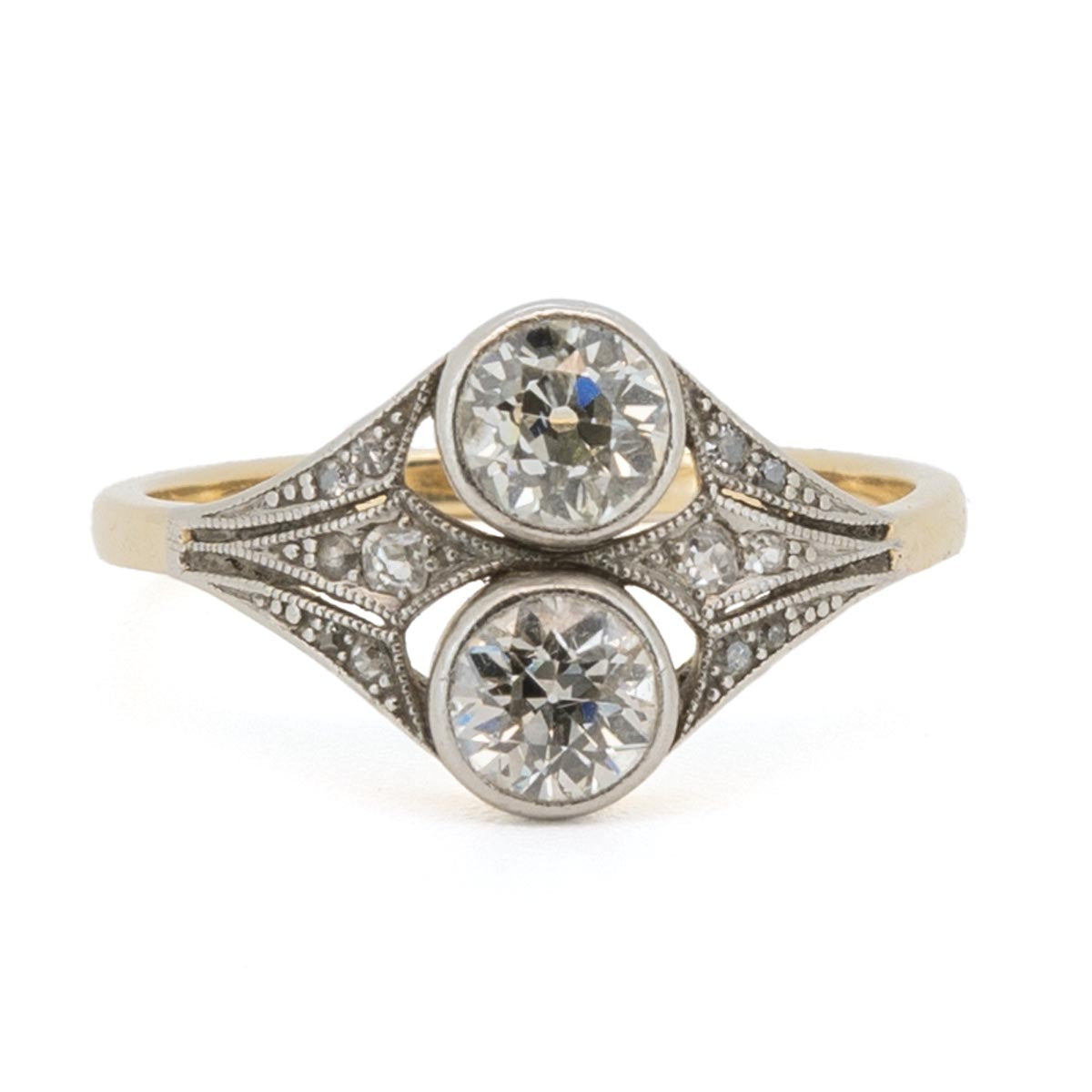
Diamonds, rubies, sapphires, and other precious stones
Many gemstones look particularly beautiful when they are free of dust, skin oils, and residues. Nevertheless, gemstone jewelry should always be cared for with caution, as not only the stone itself but also the setting, age, and craftsmanship of the piece are crucial.
More robust stones like diamonds, sapphires, or rubies can be carefully cleaned with lukewarm water, mild dish soap, and a very soft brush for suitable pieces of jewelry. It is important to then dry the jewelry thoroughly and gently.
For antique rings, brooches, earrings, or necklaces with delicate settings, it should be checked before any intensive cleaning whether all stones are securely set. If you are unsure, do not clean the jewelry yourself but have it professionally inspected.
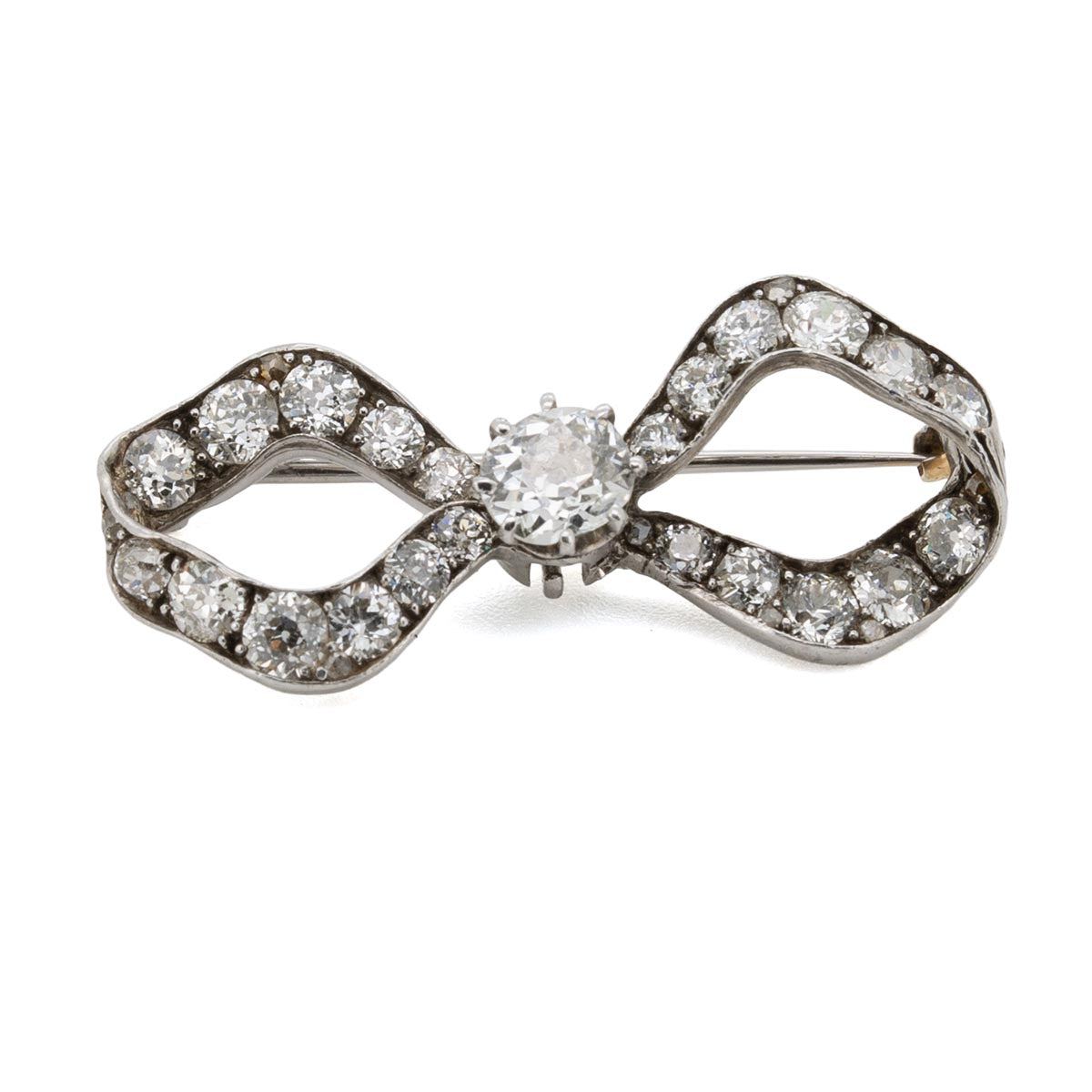
Caring for your pearls
Pearls are delicate organic materials and should be handled with particular care. They react sensitively to chemicals, perfume, hairspray, cosmetics, sweat, acids, and excessive dryness.
Only put on pearl jewelry after cosmetics, cream, perfume, or hairspray have been fully applied. After wearing, pearls should be gently wiped with a soft, slightly dry cloth.
Pearls should be stored separately from other jewelry to prevent scratching. Direct sunlight, strong heat, seawater, chlorinated water, and aggressive cleaning agents should be avoided.
For antique pearl necklaces, the stringing is also important. Have the knotting and thread checked regularly to ensure they are still stable. If a pearl necklace is worn frequently or is older, a professional restringing may be advisable.
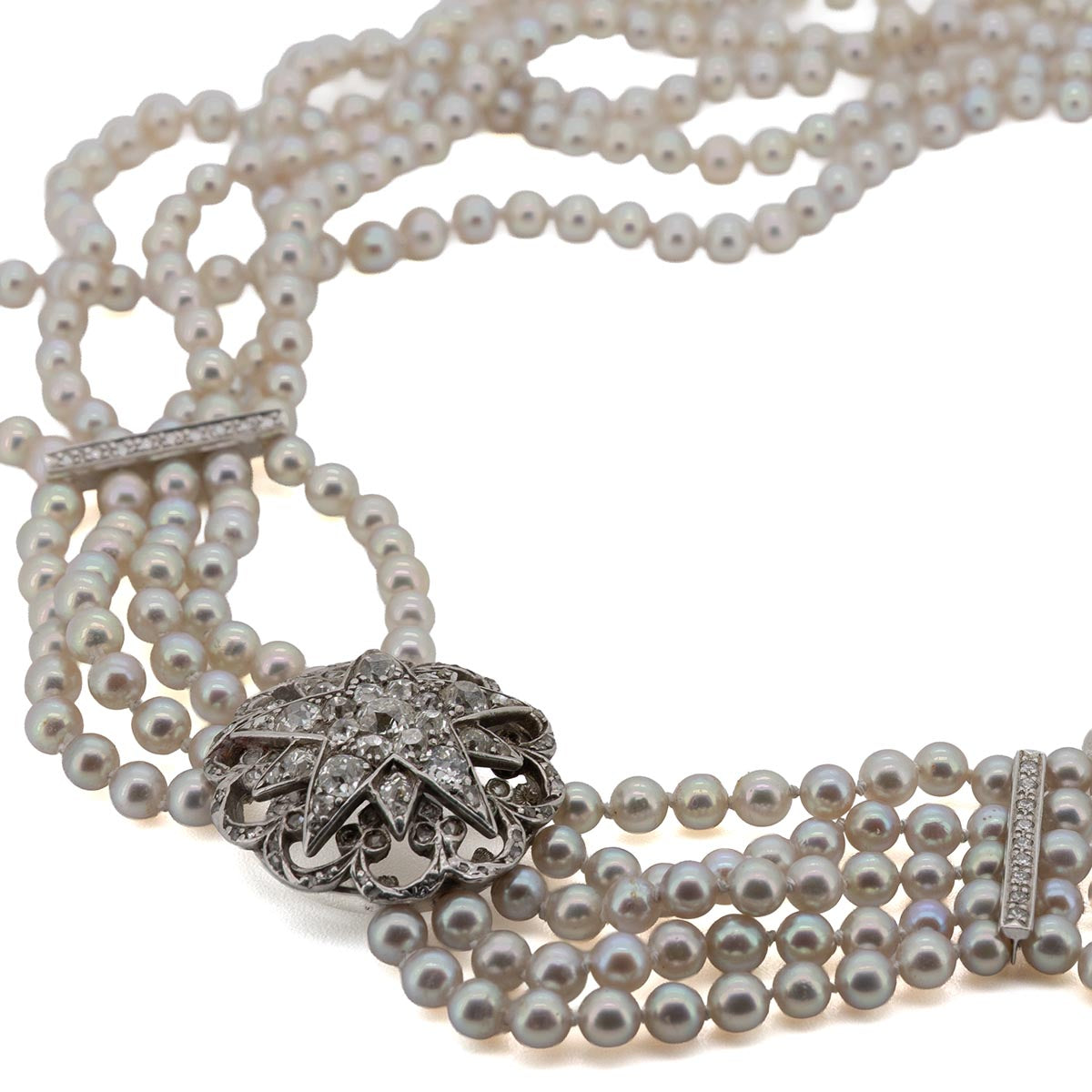
Coral, cameo, jet and delicate materials
Coral, cameos, intaglios, jet, and other delicate materials should be handled with particular care. They can be damaged by chemicals, strong sunlight, heat, moisture, incorrect cleaning agents, or friction.
Do not clean such jewelry in a water bath, and do not use brushes, polishes, or household remedies. In many cases, a very soft, dry cloth is sufficient.
If coral, jet, or other delicate materials appear dull, brittle, or damaged, the piece of jewelry should be professionally inspected. Professional refurbishment is safer in this case than attempting to use household remedies.
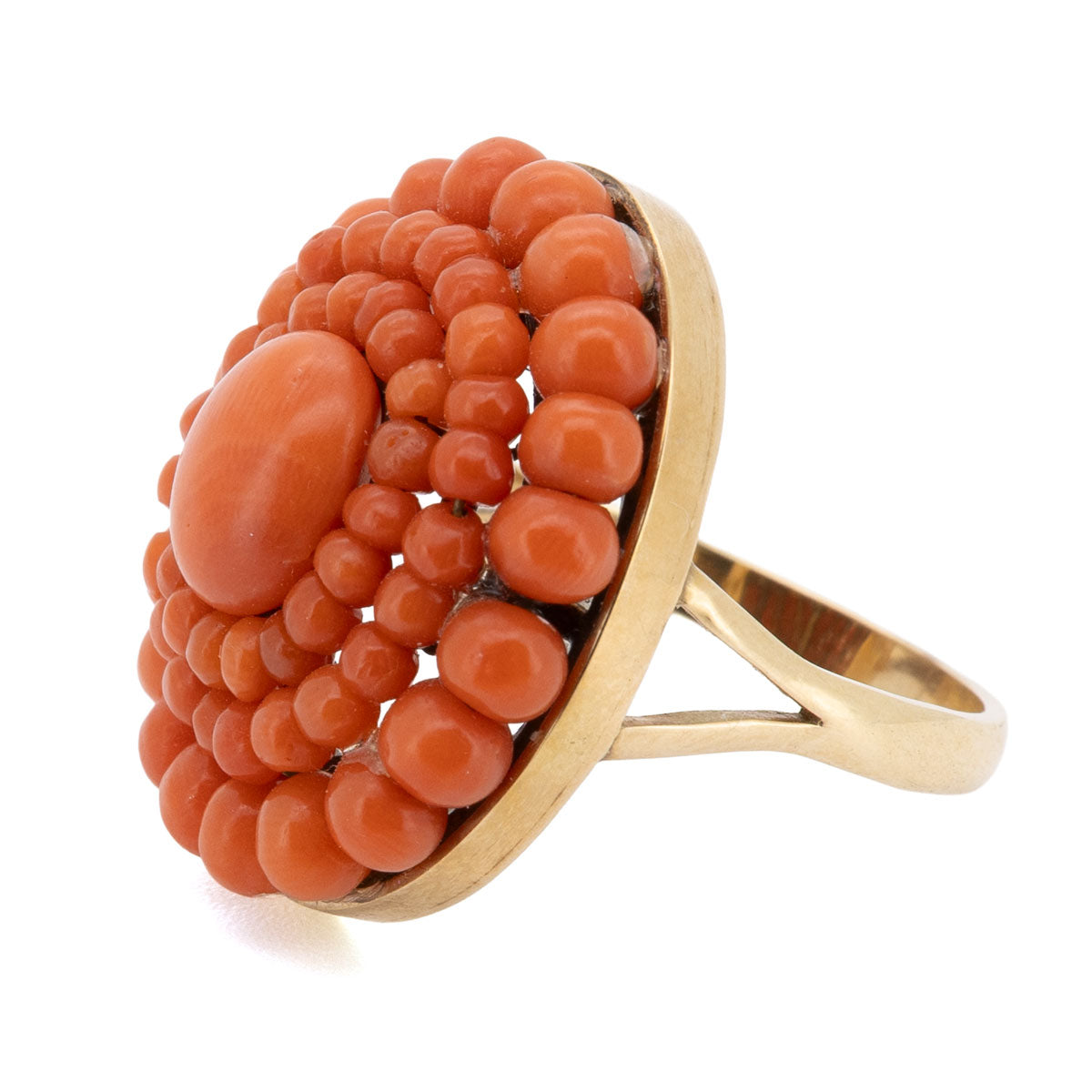
Caution with ultrasound, silver dip, and home remedies
Ultrasonic devices, silver dips, cleaning pastes, and household remedies may work for some modern jewelry, but are often risky for antique jewelry.
For old settings, delicate stones, pearls, corals, opals, cameos, enamel, glued joints, or fine details, aggressive cleaning can cause damage or exacerbate existing weaknesses.
Therefore, it's better to avoid quick cleaning tricks. Antique jewelry deserves care that is appropriate for each piece.
When Professional Cleaning Makes Sense
If a piece of jewelry is heavily soiled, stones appear loose, settings are damaged, or you are unsure of what material a piece is made, it should not be cleaned on your own.
Saskia Seewald Antikschmuck inspects jewelry with an expert eye and works with experienced goldsmiths if necessary. Many antique jewelry pieces can be checked, cleaned, refurbished, or carefully repaired if professionally possible and sensible.
Especially for valuable unique pieces, heirlooms, or jewelry with a special history, a professional assessment is often the better choice.
Gentle Jewelry Care
Good antique jewelry is made to be worn. At the same time, it deserves careful handling.
If you gently clean your jewelry after wearing it, protect it from chemicals and moisture, and store it separately, you are already doing a great deal to preserve it.
And if you are unsure, it's always better to ask. We would be happy to advise you on how to properly care for your antique ring, brooch, locket, pearl necklace, or other piece of jewelry.
Personalized Jewelry Care Consultation
Are you unsure how to clean or store a particular piece of jewelry?
Then feel free to contact us. We will advise you personally and honestly tell you whether simple care at home is sufficient or if a professional inspection is advisable.
Frequently Asked Questions about Jewelry Care
After wearing antique jewelry, gently wipe it with a soft, dry cloth. Avoid harsh cleaning agents, abrasives, toothpaste, and unverified household remedies. For delicate materials or if unsure, have the jewelry professionally inspected.
Only with suitable, insensitive pieces of jewelry can lukewarm water with a little mild dish soap be useful. A water bath is not suitable for pearls, corals, opals, cameos, jet, delicate enamel, glued elements or pieces of jewelry with loose settings.
Pearls should be protected from chemicals, perfume, hairspray, cosmetics, perspiration, heat, chlorine and seawater. After wearing, gently wipe them with a soft cloth and store them separately from other jewelry.
Caution is advised with antique silver jewelry. Silver dip or aggressive polishes can alter patina and fine details. A light patina can be part of the character of an antique piece. When in doubt, a professional assessment is recommended.
For antique jewelry, an ultrasonic cleaner should not be used without expert assessment. Old settings, delicate stones, pearls, corals, opals, cameos, enamel, or already weakened areas can be damaged by it.
Store jewelry items separately, ideally in individual compartments, soft pouches, or padded cases. This prevents scratches, pressure marks, and friction between different materials.
If a piece of jewelry is heavily soiled, stones appear loose, settings are damaged, or you are unsure about the material, it should be professionally inspected and, if necessary, professionally cleaned.